
Three major pests of the Mason bee are Houdini flies, mites & Chalcid wasps.
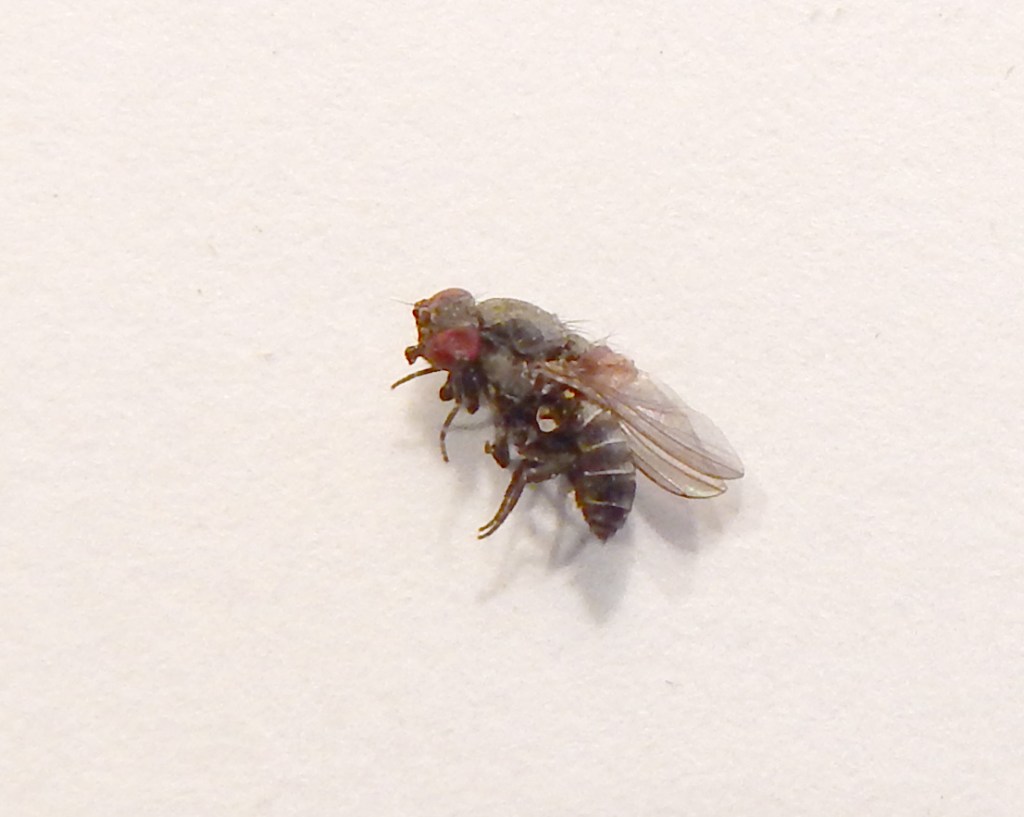
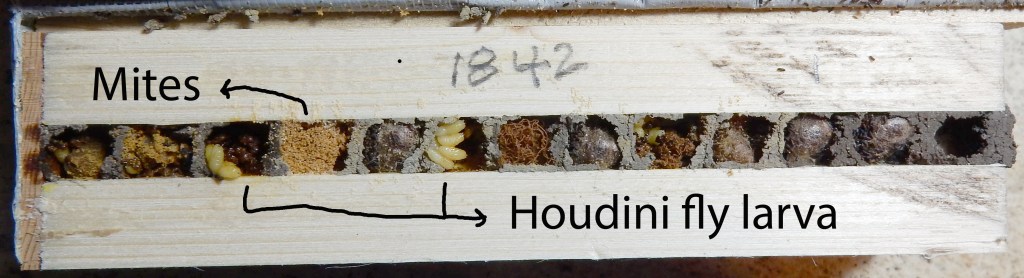
The Houdini fly is relatively new to North America. It prefers moist areas and thus is more prevalent in Coastal area. It sneaks into a Bee cavity and lays eggs on the pollen ball. The eggs hatch and consume the contents of the cell.
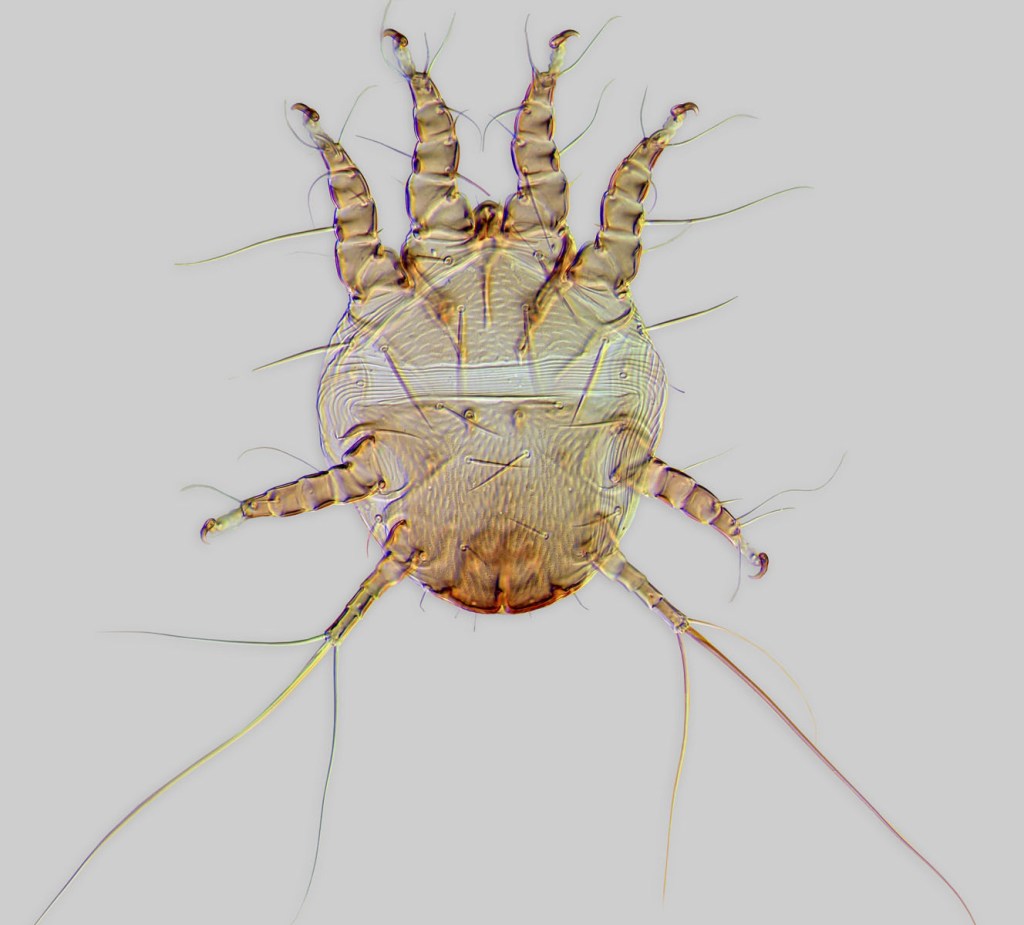
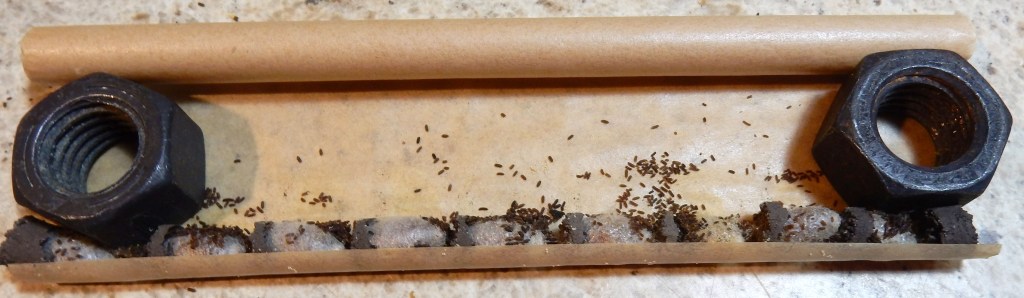
Hairy-fingered or Krombeini mites multiply rapidly and consume the food supply in a cell. Infested cells will transfer mites to more bees the following year. They can be seen with a magnifying glass.
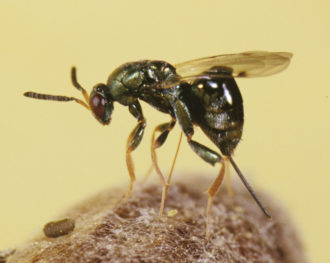
Using a long, stinger-like ovipositor, these wasps pierce cocoons through thin nesting materials then lay a series of eggs inside the larva. When hatched, they eat the larva and eventually escape the cocoon through a tiny hole.
Other pests can be a problems at times, especially Chalkbrood. Go to the SARS Website on Managing Alternative Pollinators and go to Appendix A at the bottom of the page.
Pests can be expected to give you problems every year, sometimes a little, sometimes a lot. You can’t control the weather but you can take steps to minimize the damage they do. Using the best nesting materials, cleaning practices, and manipulating the cocoons in a timely manner can greatly enhance the production of healthy cocoons and keep the environment friendly to the Bee.

 My Mason Bees