
Gift ideas for the Mason bee enthusiast.
- Digital Microscope
- Mini Vacuum
- Digital Thermometer
- Nail file kit
- Tripod with Cellphone attachment
- Digital Weight scale
Those of us who obsess about Mason bees can always find ways to spend money on items which bring extra excitement and fun to our hobby. None of the items below are necessary to manage the bees well, but for the truly obsessed they add another dimension of enjoyment. Please note all of the items are available from multiple sources, and in some cases require due diligence to assure they fit hardware you already own. I also do not give specific brand names or models because there are several choices available.
Digital Microscope

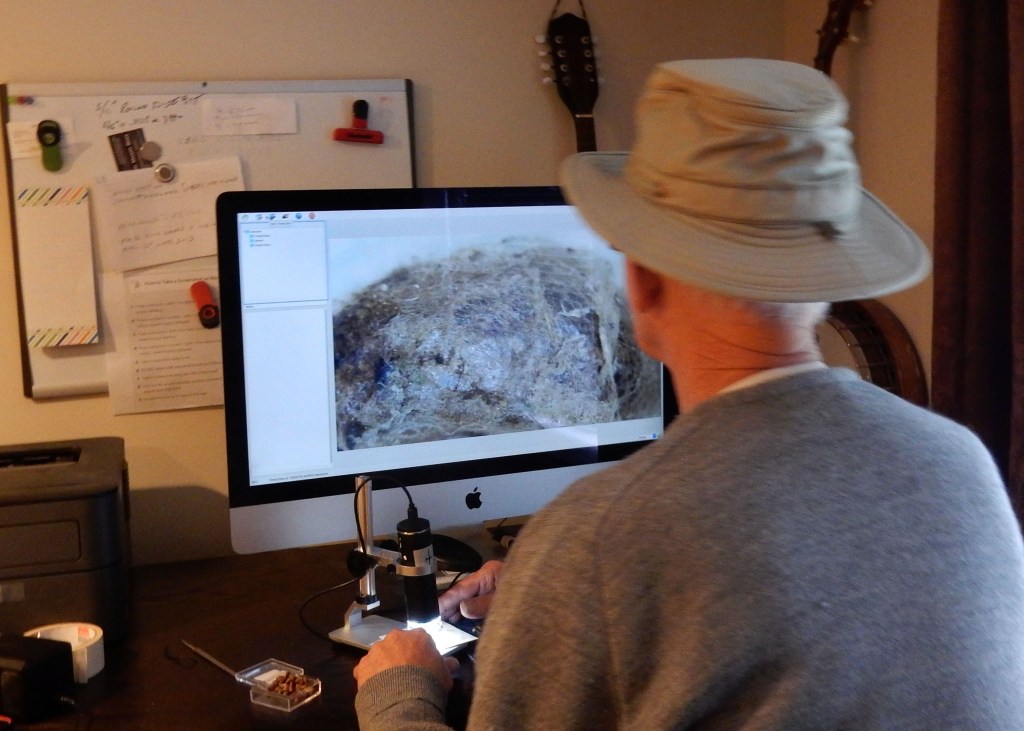

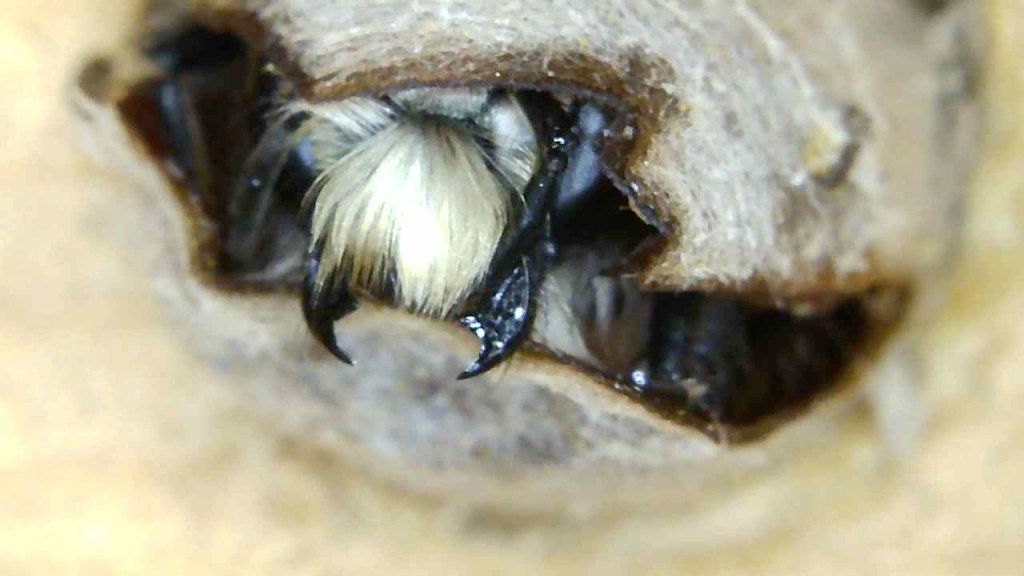
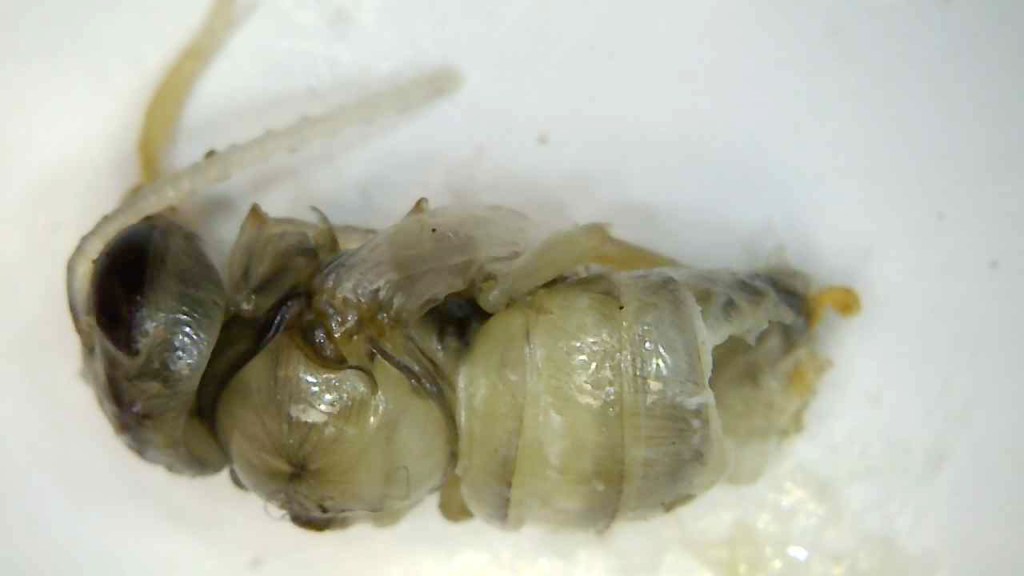
Digital Microscopes are available in many price ranges. Mine is in the lower range at $70, but does the trick. Many can be used with desktops, tablets, laptops and smartphones. One version has a smartphone mounted on the Microscope to provide convenience and a very small footprint. Mine allows you to capture a still picture or a video recording with a choice of resolution and speed. Do your homework. Some work in a windows environment, some an Apple environment. Some work with USB ports and others with Bluetooth. Make sure the required software works with your system. It ain’t easy, and I’m no techi so you are on your own. But a working Digital Microscope will show you microscopic mites and which ones are Phoretic (have legs). The parts of Pupae become clear, and the eyes, mouthparts, and movements of larvae can be watched or filmed with ease.

Mini Vacuum
This small hand vacuum is really meant for vehicles and other small, hard to navigate spaces. It can also be used to clean up Mason Bee Nests. Very occasionally a cocoon may be loose enough to get sucked into it, but it opens easily for retrieval and to clean out the drum. In this case it is recharged with a USB cable. Several models available, this one was $30 Canadian.


By mid-July cocoons have been completed and the nest can be opened for inspection. If no mites are present, any cells with fly larva can be loosened up with a pick of some type. The cell can then be vacuumed clean. Any other cells without a viable cocoon can also be cleaned out, including pollen balls which failed, and then vacuumed. With the tray “certified” pest-free, it can be wintered as is and set out the following spring. Bees released in their natal cells will stay at home at almost twice the rate of loose cocoons.
Digital Thermometer
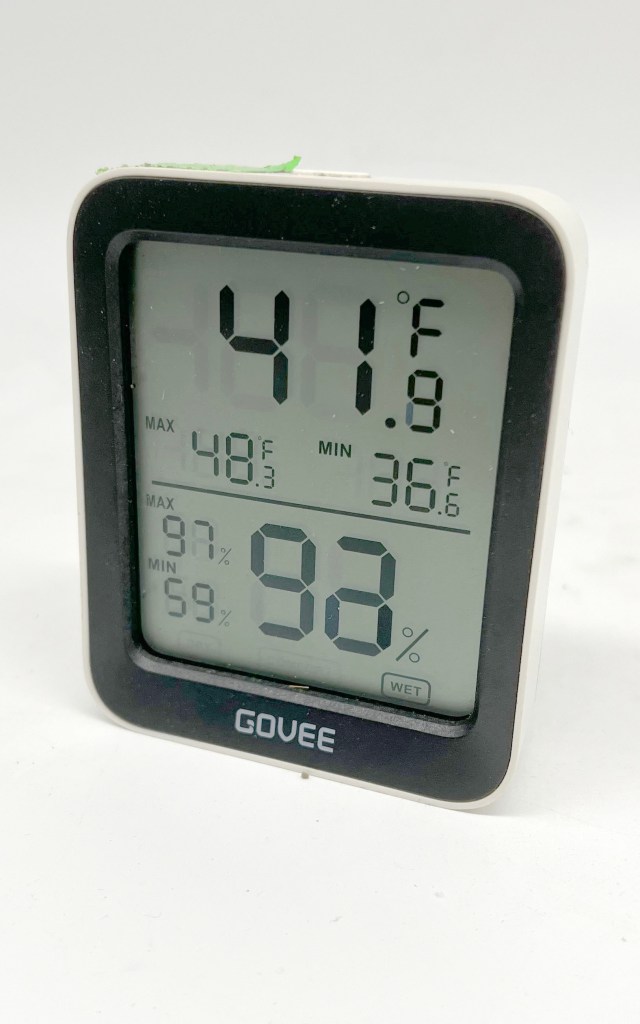
Digital thermometers are available online and at many retail stores. This one was $20 Can. and has been great. Real time temperature and humidity is easy to read, but to access hourly, daily, weekly and monthly graphs a bluetooth smartphone or computer is required. It will store and graph the results for up to a year.

The Thermometer can be embedded with the cocoons over the winter and read from anyplace in the house from your phone/computer without disturbing them. Most modern fridges are frost free, so the humidity can get too low. A container of water will fix this if your cocoons are in a box of some type. In the spring, set the thermometer out with the Bee house and watch for that magical 13C/55F temperature to appear before putting out the cocoons. After the Bees are removed in late spring, store them with the thermometer and monitor the temperature and humidity. In summer, the closer the bees are stored at a 24 hour temperature regime of around 22C the quicker they will mature. Hint: Inside your house.
Nail file kit
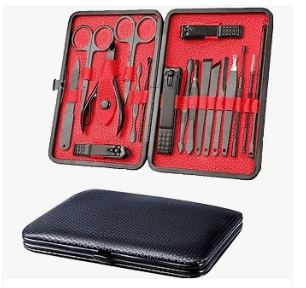
There are many kits similar to this. Most of the tools will not be used for working with Mason Bees, but quality scissors and a couple of pick type instruments will be. The pick types are used to pry out cocoons on occasion and to clean out cells that do not contain viable cocoons. Many kits run around $15 to $30.
Most kits will include small scissors that are curved at the end. These can be used to clip the nipple off a cocoon if you need to know there is a live bee inside. Do this later in the season to determine if you are discarding viable cocoons that have not emerged. The nipple end has a small space between the end of the cocoon and the head of the bee. If great care is taken you will not harm the bee and possibly help it to start breaking out.

Tripod with Cellphone attachment

Tripods and tripod cellphone holders are available at many types of stores and there are scores on the internet at modest prices. If you have a tripod, most holders will attach to it through a 1/4 inch screw mount.


A cellphone holder attachment for a tripod is a great tool for taking videos and still pictures of the activities of your bees. I often take 30 min. videos and then scan through them later to determine how many channels are active, length of time between food or mud trips etc. This summer I recorded a fight between a resident bee and another trying to usurp the nest. You can track Houdini flies as they try to invade the nest. The camera can be placed a foot from the nest and the bees will not be intimidated in the least. A remote for taking stills is a nice addition.
Digital Weigh scale
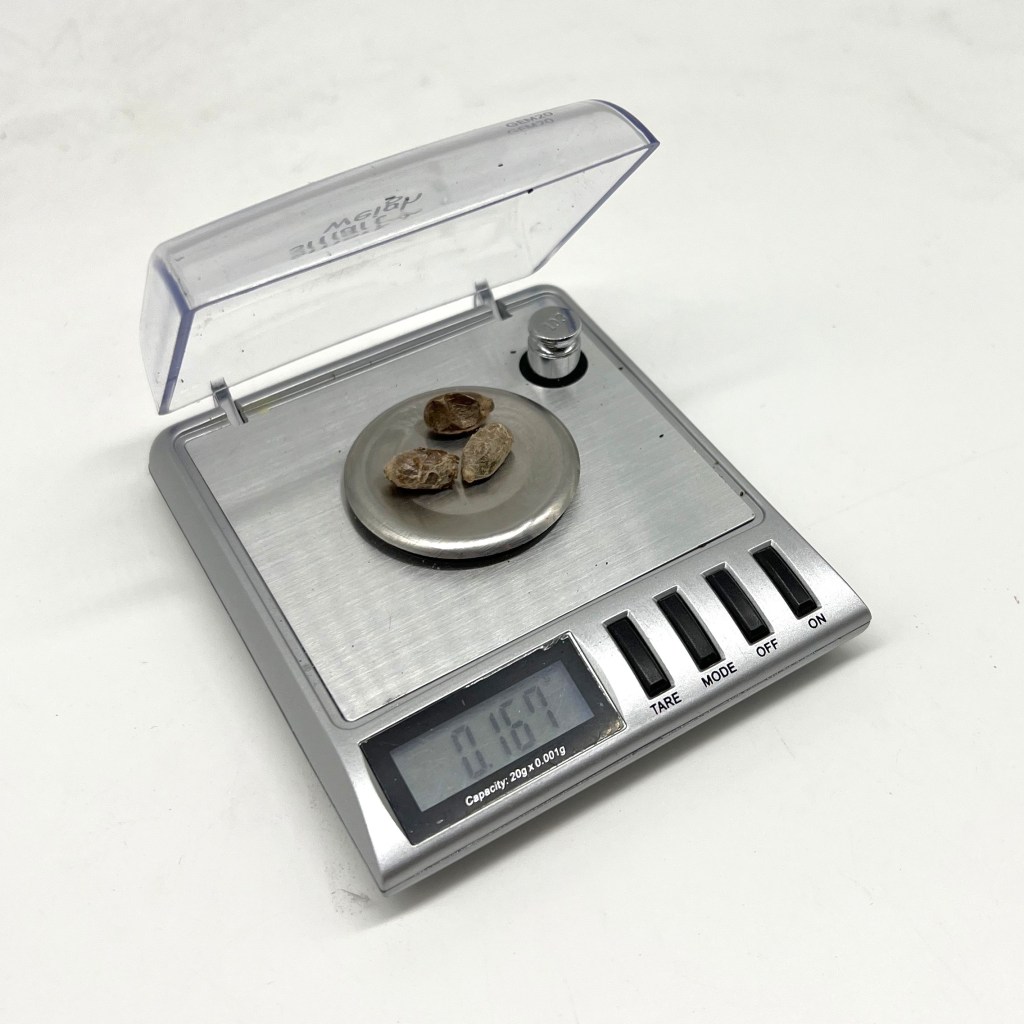
Designed to weigh small jewelry, this remarkably sensitive scale is excellent for weighing cocoons. Large cocoons are females, small ones males. But there are many in between that are very difficult to tell. Females are heavier, and this scale can narrow the choice quickly. Roughly, males weight less than 100 mg. and females over 110 mg. but the weights change with the season as they lose weight steadily from July to April. Even an empty cocoon will register 6 mg. This one was $60 Canadian. but many are as low as $20.

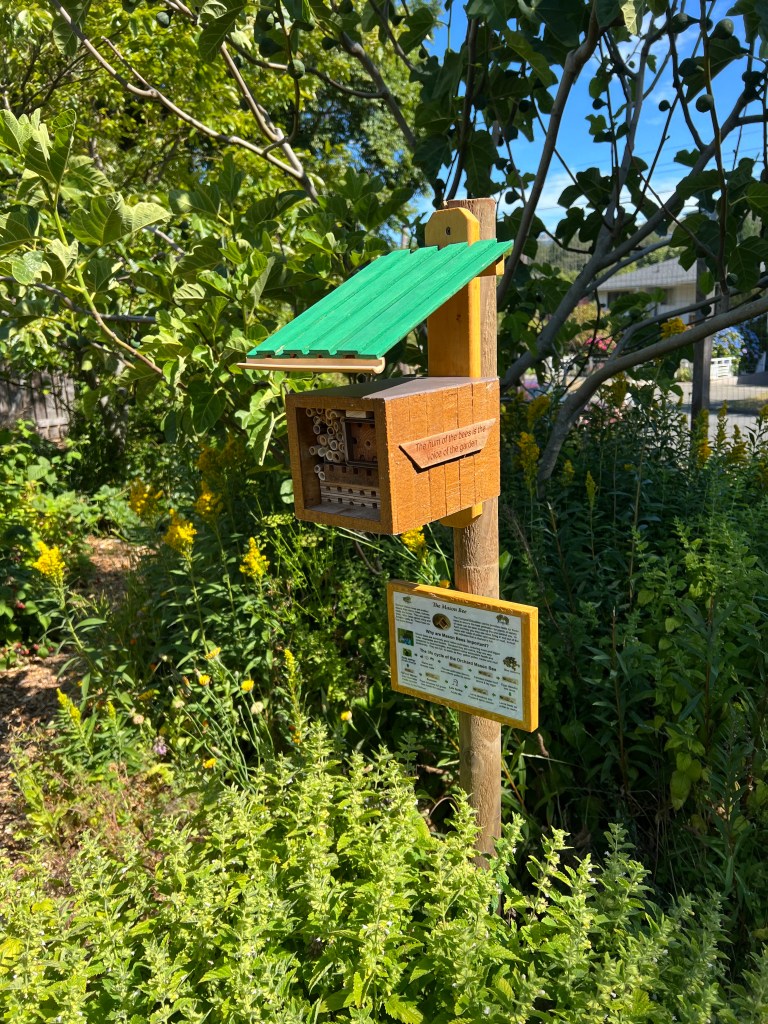
For ideas on designs you might consider when building a Mason Bee house, check out my page on
 My Mason Bees